Mosquito Coil Export Suppliers to Southeast Asia: A Comprehensive Analysis of Market, Standards and Cooperation
August 06, 2026
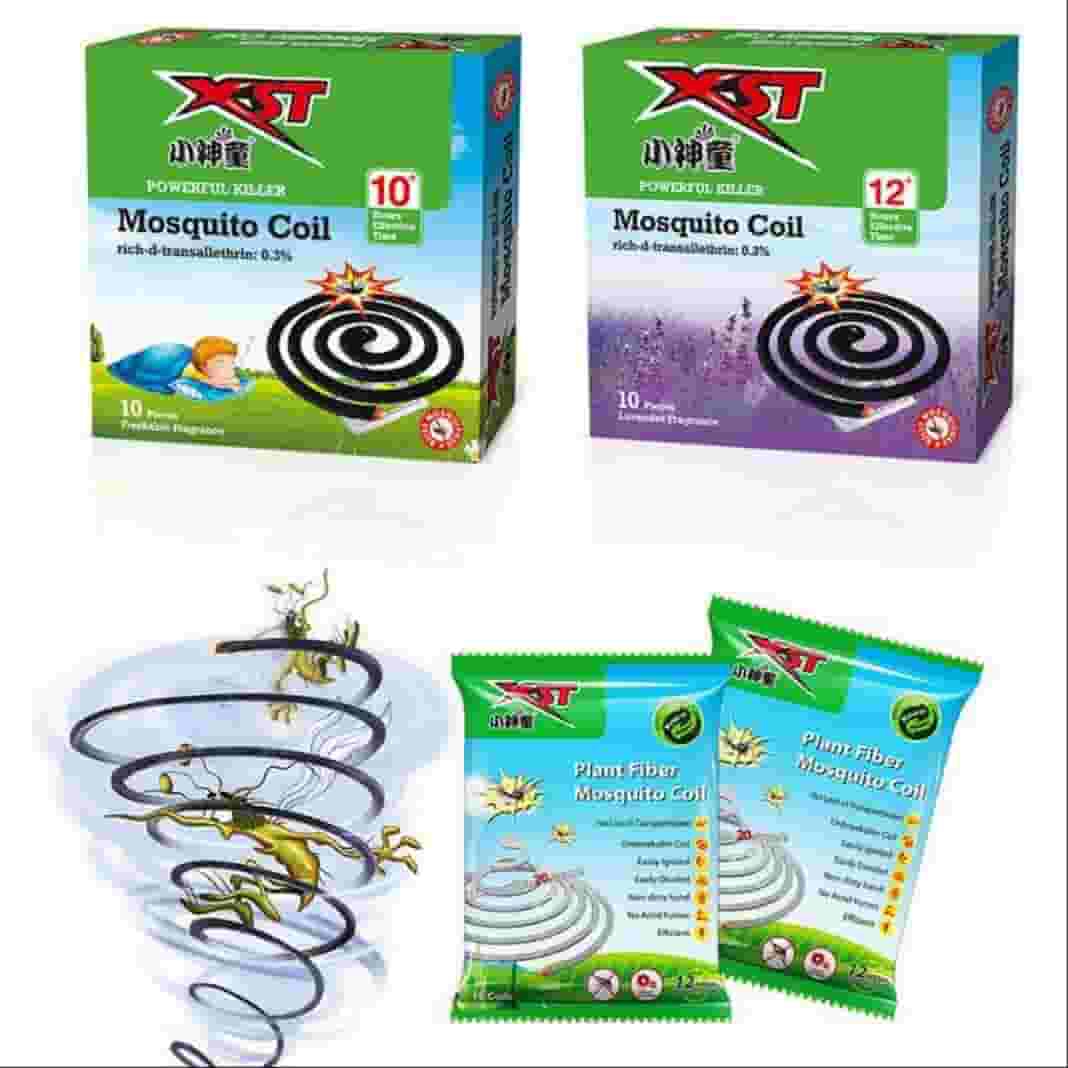
Established in 2000, Fujian XST is a leading modern manufacturer specializing in innovative, safe, and eco-friendly household cleaning, baby care, and mosquito repellent products.
Fujian XST
As a commonly used mosquito prevention product in summer, mosquito coils have continued to expand in export markets in recent years. Southeast Asia has experienced significant growth in demand due to its hot and humid climate and mosquito breeding conditions. This article analyzes the key factors for mosquito coil export suppliers entering Southeast Asian markets from three perspectives: market characteristics, quality standards and cooperation models.
1. Southeast Asian Mosquito Coil Market: Demand Drivers and Consumer Preferences
Southeast Asia experiences high temperatures and frequent rainfall throughout the year, resulting in long mosquito activity cycles and making mosquito coils an essential household product. According to industry data, the regional mosquito coil market is growing at an average annual rate of 8%, with Indonesia, the Philippines and Thailand as major consumer markets.
Consumer preferences include high price sensitivity, strong demand for economical traditional mosquito coils, and increasing interest in diversified products such as colored mosquito coils and smoke-free formulas. Traditional burning mosquito coils remain dominant in rural areas due to limited electricity availability, while urban markets show higher acceptance of electric mosquito repellent products.
2. Export Quality Standards: Compliance as the Core Barrier
Mosquito coil exports to Southeast Asia must strictly comply with target country regulations. Indonesia's BPOM requires safety testing and clear labeling of active ingredients such as pyrethroids. Thailand has specific requirements for burning performance, including burning time control and residue limits.
Some countries also have special packaging requirements. For example, the Philippines requires bilingual labels in English and local languages, while Malaysia prohibits misleading claims such as '100% mosquito repellent'. Suppliers need to understand market standards in advance to avoid shipment delays or returns.
3. Cooperation Models: From Trade Agency to Localized Manufacturing
Suppliers generally adopt three cooperation models: trade agency, OEM/ODM manufacturing and localized production. Trade agencies allow rapid market entry but may reduce profit margins. OEM/ODM enables customized products and cost advantages through scale production. Localized manufacturing requires higher investment but helps avoid tariff barriers and improves market response speed.
For example, a Chinese company reduced transportation costs by 30% after establishing a factory in Vietnam while improving price competitiveness through local resources.
Conclusion
Mosquito coil exports to Southeast Asia represent both opportunities and challenges. Suppliers should build competitive advantages through market research, compliance management and cooperation model innovation. Strengthening technology development, monitoring policy changes and optimizing supply chain management will be key strategies for expanding into Southeast Asian markets.
 English